
What Your Hoodie Says About You (And Why It Matters)
Clothing communicates before you say a word. Here is what the hoodie has always signalled — and why the one you choose to wear in 2026 says more than ever.
What Your Hoodie Says About You (And Why It Matters)
Clothing has always been a language. Before you introduce yourself, before you say anything, what you're wearing has already made a statement. The hoodie is one of the most loaded garments in that language — and it's been that way for decades.
Where the Hoodie Came From
The modern hoodie traces back to 1930s workwear. Champion made them for labourers working in cold New York warehouses. Functional, anonymous, built to absorb work.
By the 1970s and 80s, hip-hop culture had claimed it. The hoodie became a symbol of the streets — of community, of hustle, of a particular kind of pride that didn't need anyone's approval. It wasn't trying to impress anyone outside the culture. That was the point.
Then skateboarding picked it up. Then tech. Then high fashion. Each community layered its own meaning onto the same silhouette.
What It Still Signals Today
The hoodie has been co-opted so many times that you'd think the original meaning would be diluted. It hasn't been — not entirely.
When someone wears a hoodie, they're still communicating something. Comfort over performance. Ease over formality. A preference for function that doesn't sacrifice style. An alignment with street culture, even if that alignment is more aesthetic than biographical.
What's changed is the specificity. In 2026, the hoodie you choose says more than just "I wear hoodies." The brand, the material, the fit, the colourway — all of it communicates something about what you value.
The Cheap Hoodie vs. The Considered One
A $25 fast-fashion hoodie says one thing. A heavyweight, ethically made hoodie says something else.
It's not about status signalling. It's about intentionality. The person who buys a well-made hoodie and wears it for five years is making a different statement than the person who cycles through three cheap ones in a season.
One says: I buy things without thinking much about them.
The other says: I choose what I wear. I know what it's made of. I expect it to last.
That distinction matters more now than it did ten years ago, because the information is available. You can know where your clothes come from. You can know what they're made of. Choosing not to know is itself a choice.
The Beewear Position
We make hoodies for people who've thought about this. Not people who want to lecture anyone — just people who've decided that what they wear should reflect what they actually believe.
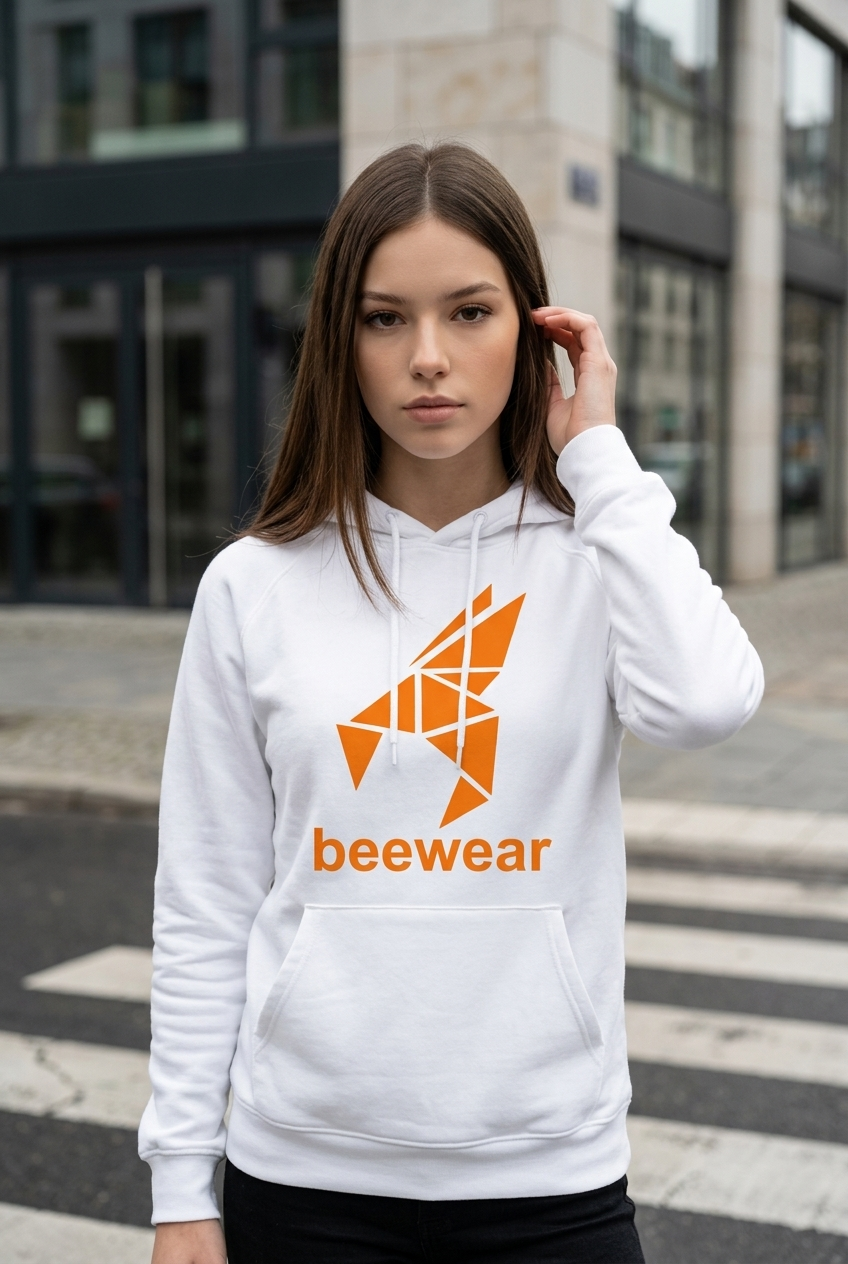
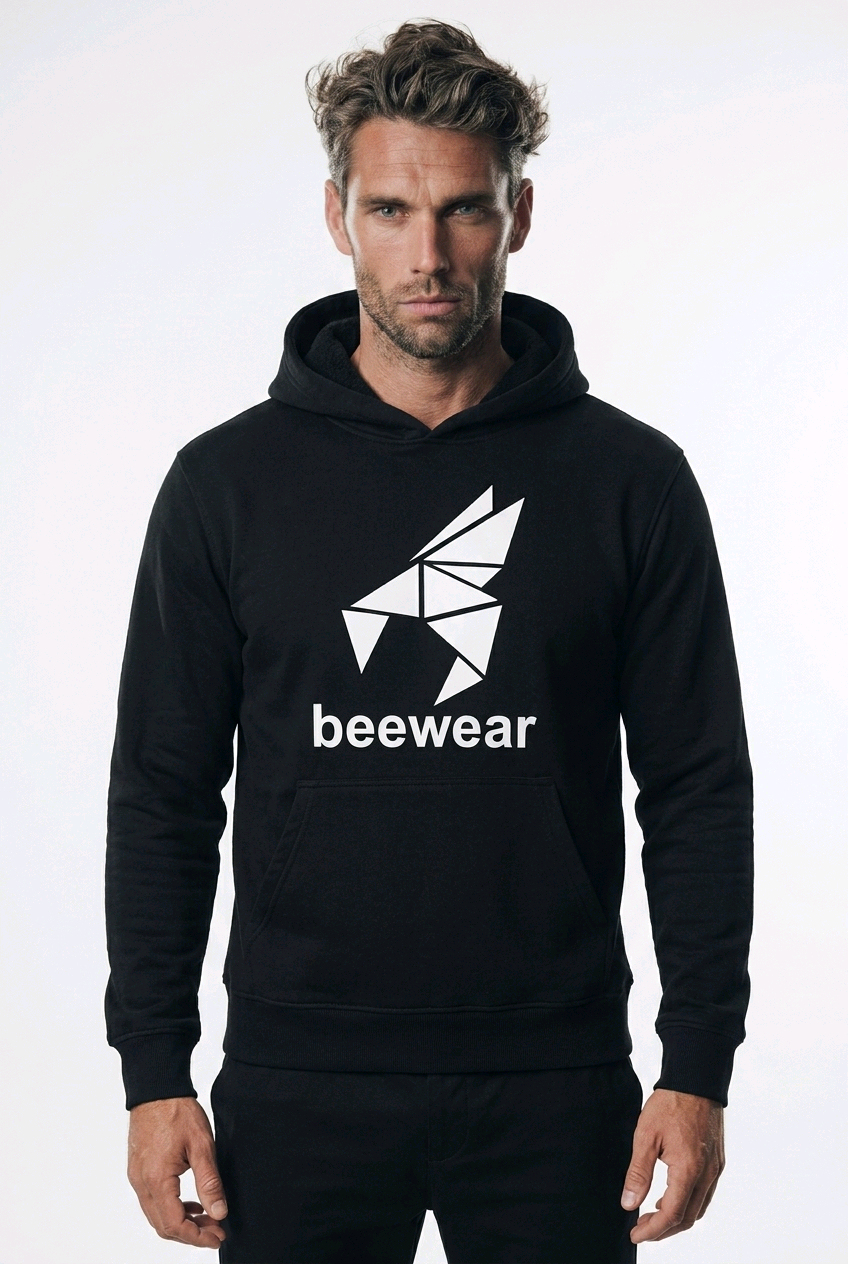
The bee on the chest isn't decoration. It's a reference point. Bees are one of the most important indicators of ecosystem health on the planet. When they thrive, the environment around them thrives. When they disappear, something is wrong at a systemic level.
Wearing that symbol is a quiet statement. It says you're paying attention.
Wear What You Mean
You don't have to make your clothing a manifesto. Most people don't want to, and that's fine.
But the next time you reach for a hoodie, it's worth asking: does this reflect anything I actually care about? Or is it just the cheapest option that was available?
The answer to that question is yours. We just think it's worth asking.
Explore Topics
Written by
Beewear Team
Content creator and writer sharing insights and stories.