
Buy Less, Buy Better: The Case Against Fast Fashion
The fashion industry produces 92 million tonnes of textile waste every year. Here is why buying less and investing in quality is better for your wallet, your wardrobe, and the planet.
The fashion industry produces 92 million tonnes of textile waste every single year.
That is the equivalent of a garbage truck full of clothes being dumped every second. It is more waste than the entire global plastics industry. And it is accelerating.
Fast fashion did not happen by accident. It was engineered — a deliberate business model built on making you buy more, more often, at lower prices, with lower quality. The system works exactly as designed. The problem is what it costs.
How Fast Fashion Works
Thirty years ago, most fashion brands released two collections per year: spring/summer and fall/winter. Today, fast fashion brands release new collections weekly. Some release new styles daily.
The goal is not to give you more choice. The goal is to make everything you own feel outdated as quickly as possible.
To hit the price points that make constant purchasing feel affordable, fast fashion manufacturers cut costs at every stage:
Cheaper materials. Polyester, acrylic, and low-grade cotton blends that feel acceptable in the store but degrade quickly with wear and washing.
Lower wages. Fast fashion supply chains depend on labour in countries with minimal worker protections and poverty-level wages. The $20 price tag is subsidized by the people who made it.
Shorter lifespans by design. Thin fabrics, weak stitching, and poor construction are not accidents. They are features. A hoodie that falls apart in a year is a customer who buys another one.
Environmental shortcuts. Textile dyeing is the second largest polluter of clean water globally. Fast fashion uses massive amounts of water, chemicals, and energy — and the cost is externalized onto ecosystems and communities near production facilities.
The Real Cost of Cheap Clothing
When you buy a $30 hoodie, you are not paying the full cost. You are paying the part the brand chose to charge you. The rest is paid by:
- The workers who made it, in wages that do not cover a decent life
- The communities near factories that absorb the pollution
- The ecosystems that process the chemical runoff
- The landfills that receive the garment when it wears out in 18 months
- Future generations who inherit a more degraded planet
The $30 hoodie is not cheap. It is expensive. The cost is just distributed to people and places that have no voice in the transaction.
The Wardrobe Treadmill
Fast fashion creates what researchers call the "wardrobe treadmill" — a cycle where you own more clothes than ever but feel like you have nothing to wear.
Here is how it works:
You buy frequently because prices are low and new styles are always available. But the quality is poor, so things wear out quickly. And the constant churn of new trends makes last season's purchases feel dated. So you buy more. The wardrobe fills up with things you do not wear. You feel like you need more. You buy more.
The average person in a wealthy country buys 60% more clothing than they did 15 years ago and keeps each item for half as long. Closets are fuller than ever. Satisfaction is lower than ever.
The treadmill does not lead anywhere. It just keeps moving.
What "Buy Less, Buy Better" Actually Means
The alternative is not complicated. It is just a different set of priorities.
Buy less. Resist the pull of constant newness. Ask whether you actually need something before you buy it. Give yourself a waiting period — if you still want it in two weeks, it might be worth buying.
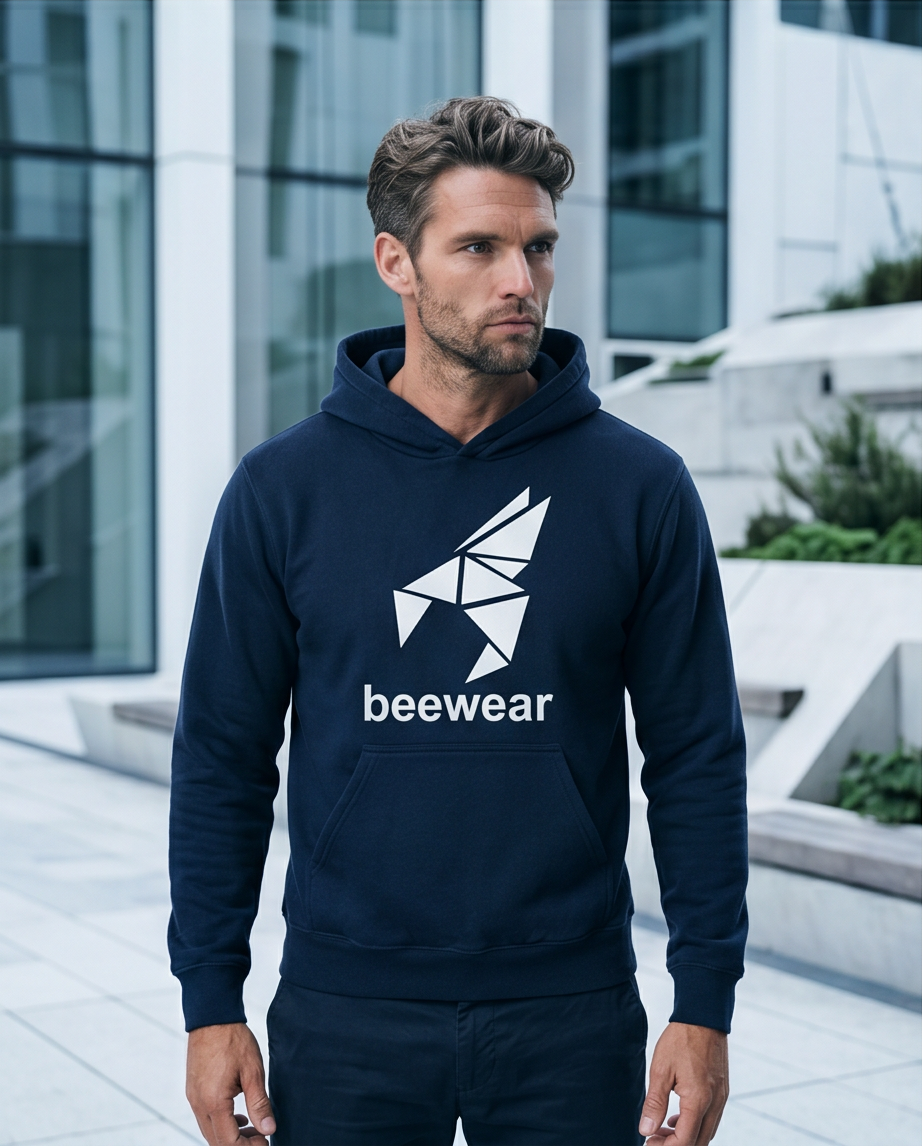
Buy better. When you do buy, invest in quality. Look at the fabric weight, the construction, the materials. Ask how long it will last. A $134 hoodie that lasts 10 years costs $13.40 per year. A $30 hoodie that lasts 18 months costs $20 per year — and goes to landfill six times over a decade.
Buy intentionally. Know what you are buying and why. Understand where it was made, by whom, and under what conditions. Support brands that are transparent about their supply chain.
Buy things that last. Trends are designed to expire. Quality is not. A well-made piece in a classic silhouette looks good for decades. A trend piece looks dated in a season.
Building a Wardrobe That Lasts
The most sustainable wardrobe is the one you already own. The second most sustainable is one built from pieces that last.
Here is a framework for building a wardrobe that does not require constant replacement:
Start with foundation pieces. These are the items you reach for constantly — quality basics in neutral tones that work with everything. A heavyweight hoodie. A well-made pair of pants. A clean t-shirt in a quality fabric. These pieces do not go out of style because they were never in style in a trend sense — they are just good.
Add slowly. Resist buying multiple things at once. Add one piece at a time, wear it, see how it fits into your existing wardrobe. If it does not work with three other things you own, it is probably not the right purchase.
Care for what you have. Proper care extends the life of clothing dramatically. Wash cold. Air dry when possible. Store properly. Repair instead of replacing when something minor goes wrong.
Let go of the trend cycle. You do not need to dress for this season's aesthetic. You need to dress for your life. The most stylish people are not the ones who follow trends — they are the ones who know what works for them and wear it with confidence.
Why This Matters Beyond Your Wardrobe
Individual consumer choices matter, but they are not the whole story.
The fashion industry needs systemic change: stronger regulations on chemical use and discharge, mandatory supply chain transparency, extended producer responsibility for textile waste, and fair wages enforced across global supply chains.
Consumer pressure drives some of that change. When enough people stop buying fast fashion and start demanding better, brands respond. When enough brands respond, the industry shifts.
But the more immediate impact is on the system you participate in directly. Every purchase is a vote for the kind of fashion industry you want to exist. Buying quality over quantity, supporting transparent supply chains, and refusing to participate in the wardrobe treadmill are all meaningful acts.
They are also, practically speaking, better for you. A smaller wardrobe of things you love beats a full closet of things you tolerate.
The Beewear Position
We make one thing: heavyweight hoodies built to last decades. We manufacture in Canada. We use 400gsm cotton because it is the right material for a garment designed for longevity. We price honestly — our hoodies cost more because they cost more to make properly.
We donate 10% of net profits to bee conservation because the environmental cost of fashion is real, and we want to give something back to the ecosystems that absorb it.
We are not a perfect company. No company is. But we are trying to build something that runs counter to the fast fashion model — fewer things, made better, designed to last.
Buy less. Buy better. It is better for your wallet, your wardrobe, and the planet.
That is the whole idea.
Explore Topics
Written by
Beewear
Content creator and writer sharing insights and stories.