
Why Sustainable Fashion Actually Matters in 2026
Fast fashion is one of the most polluting industries on earth. Here is what sustainable fashion really means, and why the hoodie you choose is a bigger deal than you think.
Why Sustainable Fashion Actually Matters in 2026
The fashion industry produces around 10% of global carbon emissions annually. It's the second largest consumer of the world's water supply. And most of what gets made ends up in a landfill within a year.
That's not a niche environmental concern. That's a systemic problem — and every purchase either feeds it or fights it.
What Fast Fashion Actually Costs
When a hoodie costs $20, someone somewhere is paying the difference. Usually it's the garment worker earning below a living wage, the community downstream from a dye factory, or the environment absorbing the waste.
Fast fashion works by externalizing its true costs. The price tag doesn't reflect the full picture.
Sustainable fashion tries to close that gap — by paying fair wages, using materials that don't poison waterways, and building things that last long enough to justify the resources it took to make them.
What Makes a Fabric Sustainable
Not all "eco" claims are equal. Here's what actually matters:
Organic Cotton
Grown without synthetic pesticides or fertilizers. Uses significantly less water than conventional cotton and doesn't introduce harmful chemicals into the soil. Look for OCS (Organic Content Standard) or GOTS (Global Organic Textile Standard) certification — these are independently verified, not just marketing language.
Recycled Polyester
Made from post-consumer plastic bottles or reclaimed textile waste. Reduces reliance on virgin petroleum-based materials and diverts plastic from landfills. Look for GRS (Global Recycled Standard) certification.
Ring-Spun Combed Cotton
A manufacturing process, not a certification — but an important one. Ring-spinning and combing produce a stronger, softer, more durable yarn. A garment made this way lasts longer, which means less waste over time.
The Beewear Approach
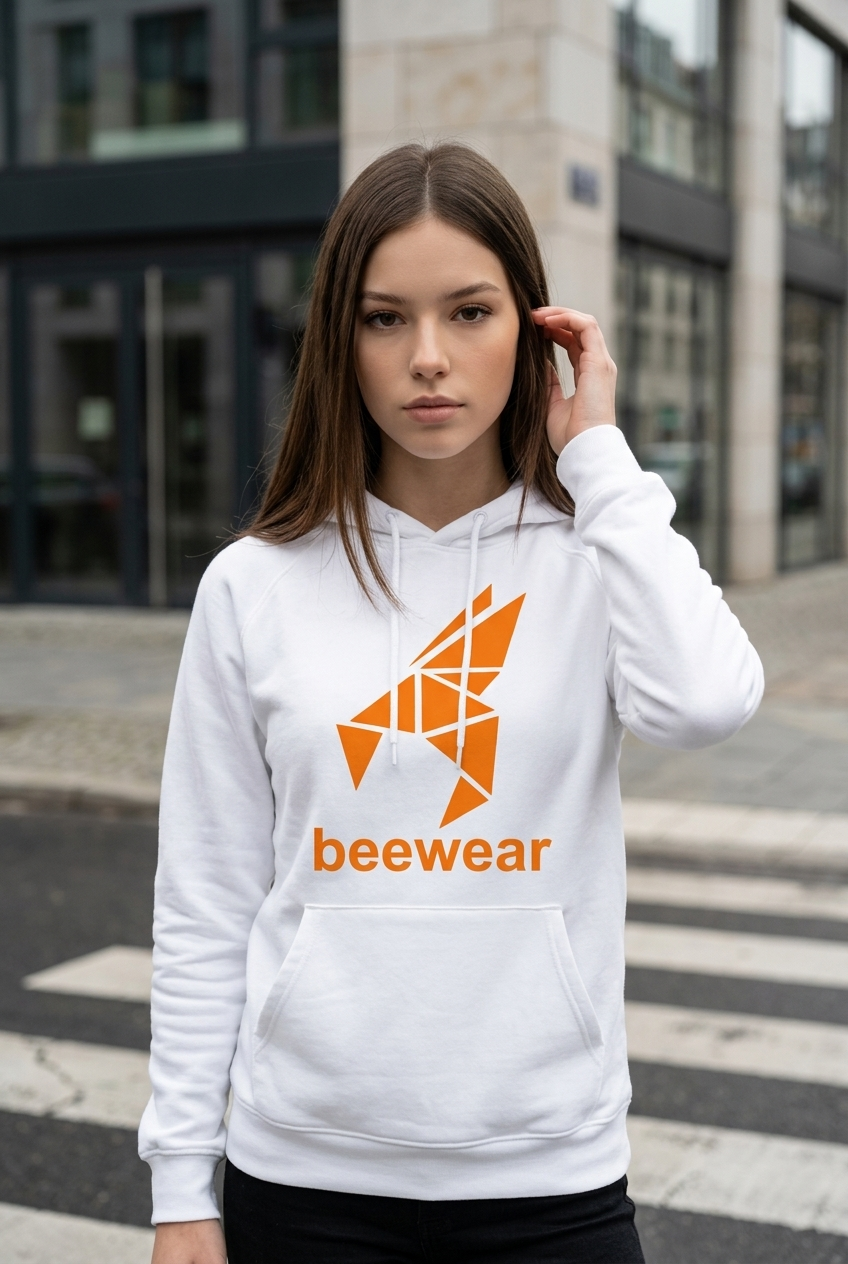
Every hoodie in the Beewear lineup is built around these principles:
- The Classic Hoodie uses 50% ring-spun combed cotton and 50% polyester in a 14oz heavyweight fleece — built to last seasons, not months.
- The Logo Hoodie is 80% organic ring-spun combed cotton and 20% recycled polyester, certified GRS and OCS.
- The Signature Hoodie is 100% GOTS-certified organic cotton — the highest standard in the industry.
These aren't marketing claims. They're certifications from independent bodies that audit the entire supply chain.
Style Shouldn't Cost the Planet
The good news is that sustainable fashion has gotten genuinely good. You don't have to choose between looking sharp and buying responsibly.
The shift is simple: buy less, buy better, and know what you're buying.
A well-made hoodie that lasts five years is more sustainable — and more economical — than three cheap ones that fall apart. It's also a better piece of clothing.
Where to Start
You don't have to overhaul your wardrobe overnight. Start with the next thing you buy.
Ask where it's made. Ask what it's made of. Ask whether the brand is transparent about its supply chain or just using the word "sustainable" as a marketing line.
Then buy the thing that holds up to those questions.
We think Beewear does. But more importantly, we think you deserve to know exactly what you're wearing — and why it matters.
Explore Topics
Written by
Beewear Team
Content creator and writer sharing insights and stories.